-

Villain, Princess, Hero: Sometimes We’re All Three
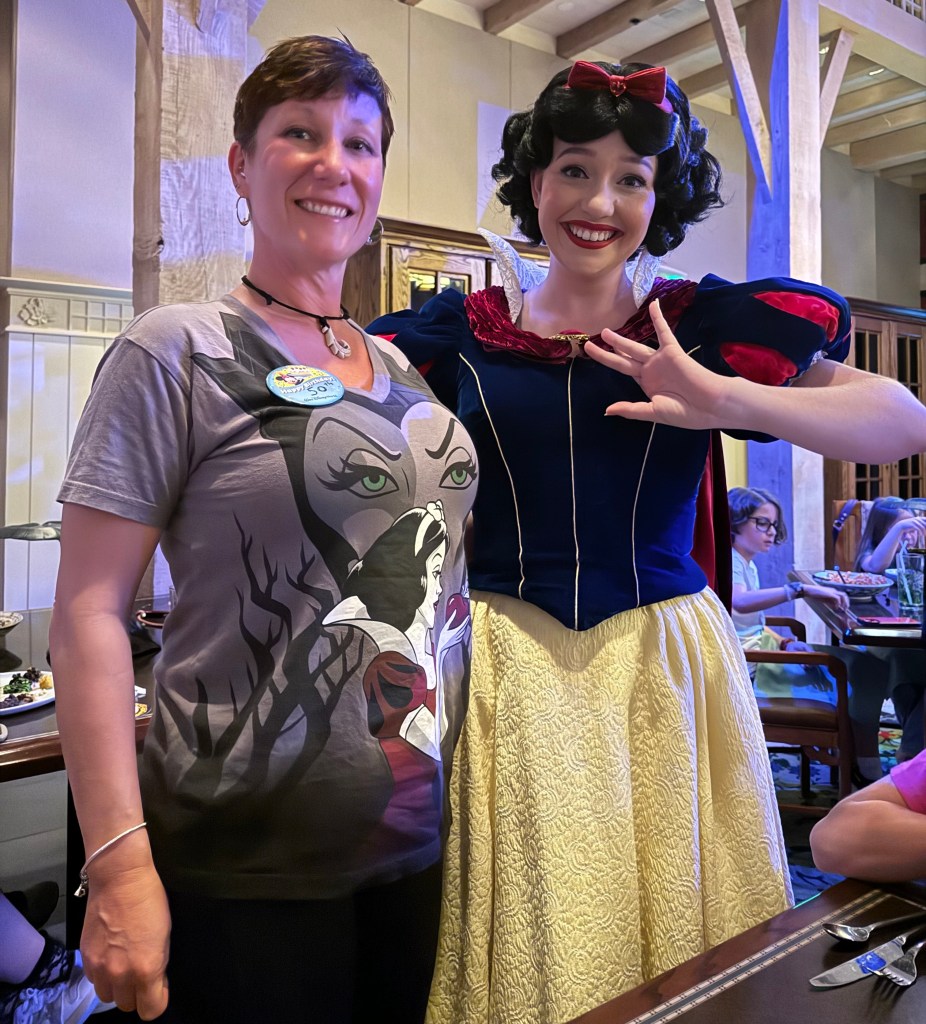
Most of us would love to be the Disney princess or hero in our own story. The one who’s brave, kind, and always does the right thing. But the truth? Sometimes… we’re the villain.
We tend to idealize the world around us. We see things through a lens of good vs. evil, hero vs. villain. But real life doesn’t work like that. Real people don’t fit neatly into those roles—and neither do we. The truth is, we are all capable of both light and shadow. (→ link to Healing in the Most Magical Place on Earth) We are complex. We are human. Humans are… nuanced.

Some days, I embody the gentleness of Snow White, the bravery of Mulan, or the fierce independence of Merida. On those days, I handle challenges with grace. I lead with compassion.
But then there are days when I’m tired, worn down, or just not at my best. And when that happens? My patience wears thin. I might snap. I might shut down. And if I’m feeling especially hurt or vulnerable… well, let’s just say my inner Maleficent might rise up, breathing fire on everyone in sight (not literally—but emotionally? Maybe a little). Cross me on a day like that and it’s “Off with their heads!” Queen of Hearts style. Again, not actually—but you get the idea.

Here’s the thing: life isn’t black and white. Not every day is magical. And neither are we.
But that’s okay.

Even Disney heroes and princesses have flaws. And if we take a closer look, even many of the so-called villains have backstories filled with pain, loss, or loneliness. Their actions often come from wounds that haven’t healed—and yet many still possess redeeming qualities.
So yes—sometimes I’m the princess, sometimes the hero… and sometimes, I’m the villain. The key is recognizing all of it. Owning it. Learning from it. Offering grace when we fall short—and giving that same grace to others.

Because the most powerful Disney stories are never just about good or evil. They’re about transformation, redemption, and growth.
And that’s what makes the journey so magical.
💫 P.S. If you love digging into the heart of Disney stories like I do, I highly recommend this beautiful post from the Walt Disney Family Museum. It breaks down Disney’s storytelling formula in a way that’s simple, honest, and incredibly moving. It’s a reminder that the magic isn’t just about happy endings—it’s about the journey, the struggles, and the people we become along the way.
-

Disney on the Spectrum – Tips and Our Family’s Journey
What We’ve Learned and How You Can Prepare
When we first took our autistic son, Aiden, to Disney World, I didn’t know what to expect. Navigating Disney with a child on the spectrum was challenging because he was a flight risk when he was younger, an eloper. So on that first trip, I simply held his hand the entire time. I was on high alert, hyper-aware of everything around us. It was overwhelming. But it was also magical.
One of the most terrifying moments for me came early in the trip—Space Mountain. It was his very first roller coaster, and I had no idea how he would react. I didn’t know if he’d love it, hate it, panic, or melt down. The second we launched into the dark, I was filled with instant regret and fear. It was pitch black, loud, and completely disorienting. I couldn’t see him. I couldn’t hear him. I couldn’t check in with him or reassure him. I spent the entire ride terrified, my heart pounding—not from the ride, but from the not knowing. Was he scared? Was he okay? Was I about to traumatize him?
Thankfully, when we got off, he was fine—better than fine. But I was shaken. That moment taught me just how important it is to thoroughly research rides and ease into new experiences slowly and thoughtfully, especially when navigating sensory sensitivities and unpredictability.
Over the years, Disney has become something like exposure therapy for us. A way to gently introduce new environments, social cues, sensory experiences, and even new foods, at a pace that works for him and for us.
Safety First: Tools That Helped
If your child is a wanderer, there are tools that can offer some peace of mind:
- ID bracelets with your contact information (Kids ID Bracelets on Amazon)
- GPS tracking devices
- Leashes or harnesses, if they’re helpful and your child tolerates them
- Portable door alarms or locks at the resort to keep them safe overnight
Disney has a lot of water, lakes, lagoons, pools, and fountains, and autistic individuals are statistically more drawn to water. Be aware of your surroundings and know your child’s tendencies.
Sensory Tools: Headphones, Strollers, and Quiet Spaces
- Noise-canceling headphones were a lifesaver for loud rides and fireworks.
- Some parents use a stroller even when their child is past the typical age. Disney allows strollers and wagons with a medical tag, and that can make a huge difference for long days in the parks.
- We scoped out quiet spots ahead of time, areas to decompress, reset, and avoid overstimulation. These are gold.
Food Worries and Wins
My son was (and still is) a very picky eater. I worried about food, especially at character meals, what if we paid all that money and he wouldn’t eat anything?
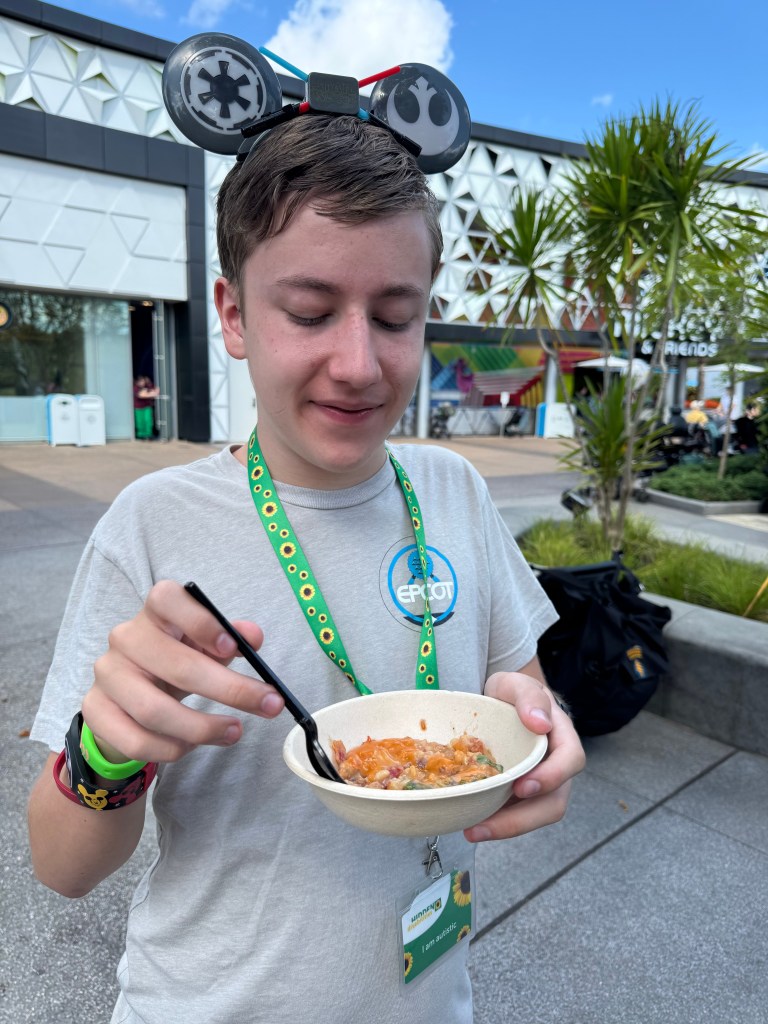
Turns out, Disney is the king of mac & cheese. And grilled cheese. And pizza.
We’ve never had trouble finding food he’ll eat, even if it meant paying the adult price for a bowl of noodles. And yes, that price tag hurt a little at first. But I had to shift my mindset: the cost isn’t just for the food, it’s for the experience. The smiles. The hugs. The moments. And those moments are priceless.

Behavior, Meltdowns, and the Stares
Not every day has been magical. There have been meltdowns, misunderstandings, and behavior issues—usually triggered by overstimulation or social cues that are still hard for him to grasp.
And yes, we’ve gotten stares. The uncomfortable kind.
But as a friend of mine, Kayla Castro, who’s a special needs travel agent, once told me: “It’s not just about exposing your child to the world. It’s about exposing the world to your child.”
I carry that with me. He deserves the joy of Disney. And so do I.

Disability Access Service (DAS)
One of the most helpful tools for families like ours is Disney’s Disability Access Service (DAS). This program is designed for guests who can’t wait in a traditional queue due to cognitive, developmental, or sensory conditions like autism.
Here’s how it works: Instead of standing in a queue, you receive a return time for the attraction—kind of like a virtual wait. During that time, you can take a break, find a quiet space, grab a snack, or enjoy another area of the park. Once it’s your time, you return and enter through the Lightning Lane.
Pro Tip: DAS registration can now be done online up to 60 days before your first park day via video chat. (Registering for DAS) Be prepared to share your child’s unique challenges. You’ll need to advocate clearly and honestly about their needs. It’s not always easy to be vulnerable with a stranger, but Disney Cast Members are generally compassionate, and the support DAS offers can make a huge difference in how your day flows.
🚩 Prepare for Unexpected Sensory Challenges
Even the most ordinary moments at Disney can turn into sensory minefields when you’re traveling with an autistic child. Some of the things that caught us off guard include:
- Hand dryers in restrooms (they’re LOUD—like jet engine loud)
- Self flushing toilets (bring Post It notes to cover up the sensor)
- Dark rides that suddenly blast sound or unexpected effects
- Crowd surges during fireworks or parades, which can feel overwhelming or even scary
These can trigger meltdowns or sensory overload if you’re not prepared. One thing that helped us was planning ahead for fireworks viewing.
Pro tip: Each park offers designated handicapped viewing areas for nighttime shows, including Magic Kingdom, EPCOT, and Fantasmic at Hollywood Studios. These sections are roped off and reserved for guests with disabilities, including families using wheelchairs, medical strollers, or with DAS. Space is limited, so I recommend arriving at least an hour early to secure a spot. You can locate these areas on the Disney map (look for a symbol similar to this ♿️).
Planning Tips That Helped Us
- Avoid peak heat and crowds: Go early in the morning, take breaks during the hottest part of the day, return later if you can.
- Use crowd calendars and park opening strategies to plan lower-stimulation windows.
- Research rides with lower sensory load or those to avoid based on your child’s sensitivities.
- Visit the Disney accessibility page for attraction-by-attraction sensory info. (Walt Disney World Sensory Guide)
- Practice makes progress: We treated Disney like a learning journey. Exposure to new foods, sounds, textures, and people—at his pace.
🛍️ Pack the Right Gear
Packing for Disney is always an adventure—but when you’re traveling with an autistic child, the right gear can make or break your day.
Here’s a quick list of essentials that helped us (and might help you too):
- Extra clothes – for spills, sensory discomfort, or unexpected messes
- Familiar snacks – because sometimes the comfort of a favorite food is the best reset
- Fidget toys or sensory aids – something to hold, squish, or focus on during lines or transitions
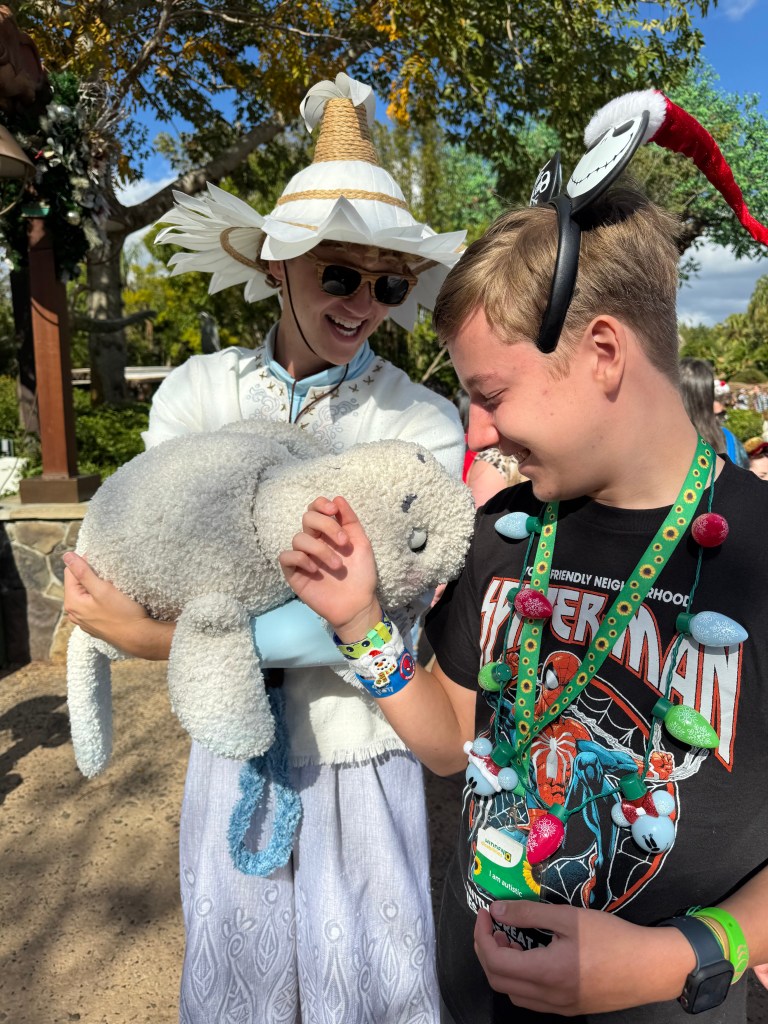
- Comfort items – a favorite stuffed animal, small blanket, or toy that brings calm
- Cooling towels or misting fans – especially if heat is a trigger for overstimulation
- Noise-canceling headphones – for fireworks, rides, crowds, hand dryers, or just life in general
We kept a backpack (or you could use a stroller organizer) stocked and ready each day. You can’t plan for everything, but having a few familiar tools on hand makes it easier to adapt in the moment.
🧩 Help Your Child Prepare Before You Go
One of the best things we did—especially before our first visit—was take time to prepare our son for what Disney World would be like. For autistic kids, predictability equals comfort. The more they know what to expect, the more confident and relaxed they’ll feel.
A couple of things that might help:
- Visual schedules or picture-based checklists – These are great for showing the flow of the day: “first breakfast, then the bus, then Magic Kingdom,” etc.
- Social stories – These are short, personalized narratives that walk your child through specific scenarios in a calm, reassuring way. Things like “what it’s like to meet Mickey Mouse,” “going through security,” or “waiting in line for a ride.”
We found that previewing what was coming—both through pictures and simple explanations—reduced anxiety and improved flexibility during the trip. Even if your child doesn’t fully grasp every detail, giving them a framework helps turn the unfamiliar into something they can handle.
Cast Members: Unexpected Magic
Some of our most touching moments weren’t with characters—they were with Cast Members.
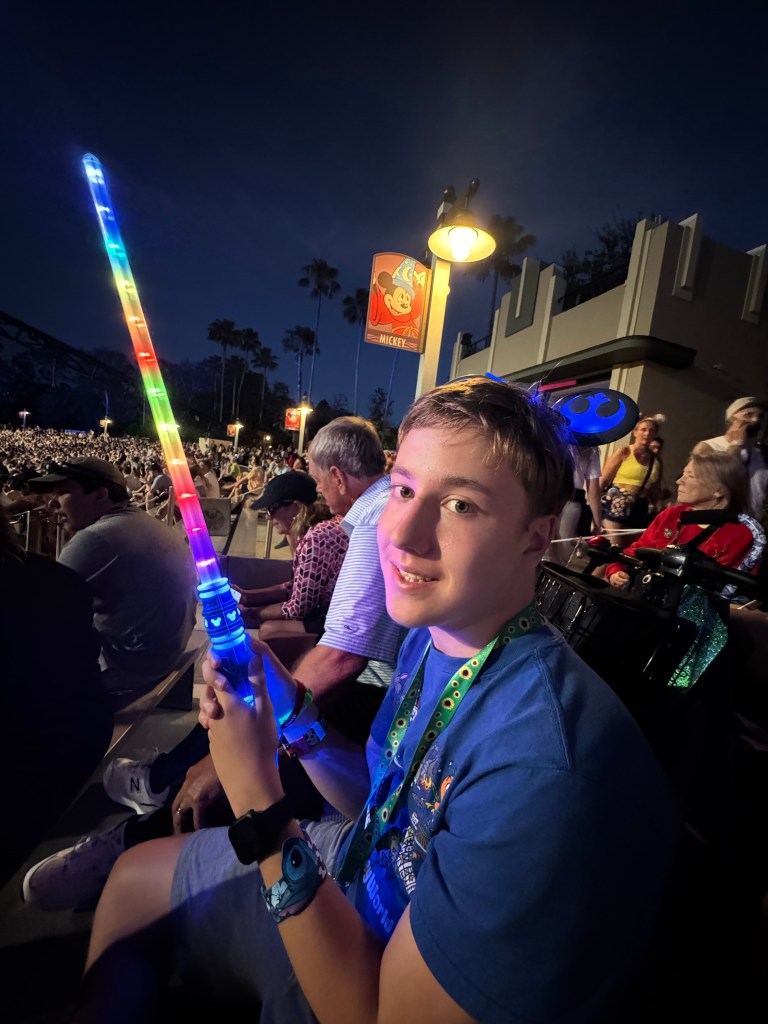
A lifeguard at Typhoon Lagoon, seeing that my son was struggling to communicate after an injury, gently told me he had an autistic brother and handled it all with calm understanding. A CM in Galaxy’s Edge shared that her brother was also autistic, and she went above and beyond to make our son feel included. Another Cast Member was autistic himself—and Disney had given him a role where he could share his deep knowledge of animals with guests. It was his superpower. And it was beautiful.
🧘️♀️ A Note for Parents and Caregivers
This one’s for you.
Navigating the world with an autistic child can be beautiful—but let’s be honest, it can also be exhausting. You carry the bags, the plans, the snacks, the what-ifs, and the meltdowns. You advocate, anticipate, and absorb. Sometimes, you’re managing your child’s needs while trying to hide your own stress—and that can take a toll.
On our first trip, I was so focused on making things perfect for my son that I almost had a panic attack on Space Mountain—not from the ride, but from the weight of it all.
So here’s your reminder:
- Take turns having downtime if you’re traveling with a partner or support person. Tag out when you need to.
- Bring something comforting for yourself, too—a favorite drink, headphones, a backup plan you know you can fall back on if things go sideways.
- And most importantly, be gentle with yourself. Meltdowns don’t mean failure. They don’t cancel out the magic. They’re just a moment—a hard one, yes—but one of many on a journey filled with growth, love, and joy.
You’re doing a great job. And you deserve to enjoy Disney too.

Final Thoughts
Going to Disney World with an autistic child takes extra planning. It’s not always easy. But it’s more than possible—it can be profoundly healing and joyful.
If you’re hesitant, I get it. But your child deserves magic too. And so do you.
If this post helps even one family feel a little more prepared or a little less alone, then it was worth writing.

-

In Defense of Disney Adults: Why We Believe in the Magic
Some people don’t understand why adults love Disney and why we believe in the magic. They find it odd or even childish, labeling us “Disney Adults” like it’s a bad thing.
But I would argue that being a Disney adult isn’t strange at all. In fact, it just might be one of the healthiest ways to hold onto the best parts of being human.

Disney Magic Comes in Many Forms
Disney is more than theme parks and characters. It’s a reflection of values that uplift and inspire:
- The importance of family and friendship
- The beauty of art, music, and imagination
- The power of kindness, compassion, and empathy
- The courage to face loss, love, fear, and change
- The celebration of diversity in culture, ethnicity, and beliefs
- The reminder that goodness can triumph over evil
Disney stories embrace the full range of emotions and invite us to believe that justice prevails, the right choices matter, and even the smallest acts of bravery can change the world.
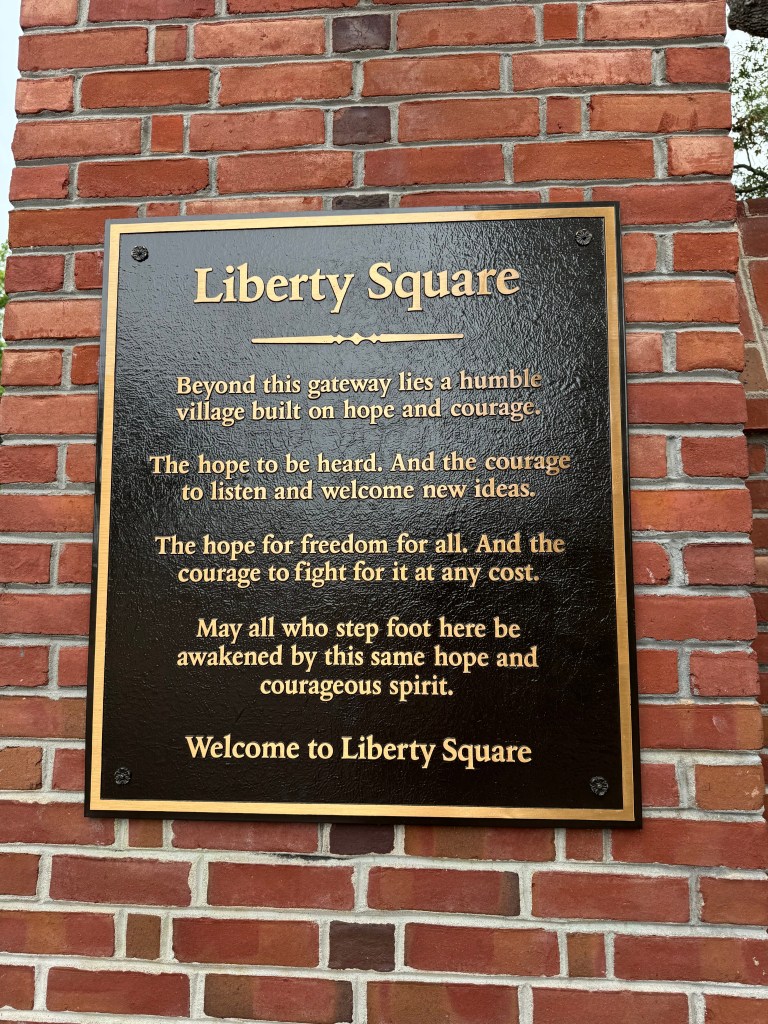
A Legacy of Service and Hope
Walt Disney was patriotic. He believed in the American dream—the idea that tomorrow can be better than today. He honored the military and respected the sacrifices of those who serve.
Today, that legacy continues. Disney:
- Brings joy and healing to veterans and military families
- Gives children with life-threatening illnesses unforgettable experiences through wish-granting programs
- Invests in communities through efforts like Toys for Tots
- Supports wildlife conservation and environmental stewardship
- Creates inclusive, evolving stories that reflect the world we live in
And for adults who’ve lived through trauma, Disney can do something rare: it gives a piece of childhood back. It brings joy where joy was missing. It helps us feel safe enough to dream again.

What’s Not to Love?
So I ask: What’s not to love about that?
In fact, I’d argue that it’s more unusual not to be touched by Disney in some way. And if someone rolls their eyes at adults who love it? I tend to wonder what pain they’re carrying, and if maybe, just maybe, they’d find some healing in reconnecting with their own inner child.
Because no matter how dark things get, hope says tomorrow might be better.
And for many of us, Disney carries that message of hope.
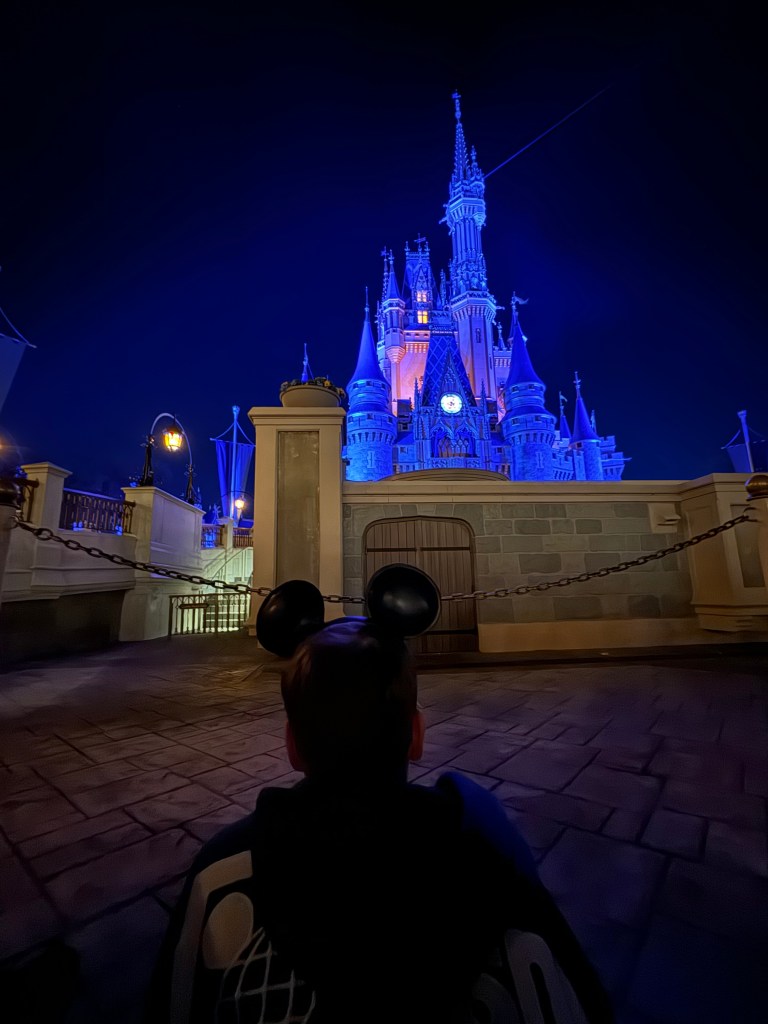
In the End…
If Disney isn’t your thing, that’s okay. Truly.
Find whatever does bring you healing, peace, and joy. Just please, don’t judge others for the way they choose to reconnect with the light.And if all you have is criticism, I’ll ask you two questions:
Who hurt you?
And how do you plan to heal from it? -

Healing in the Most Magical Place on Earth
It’s difficult to put this into words, but I’ll try my best. This is my story of healing at Disney World.
Childhood Without Magic
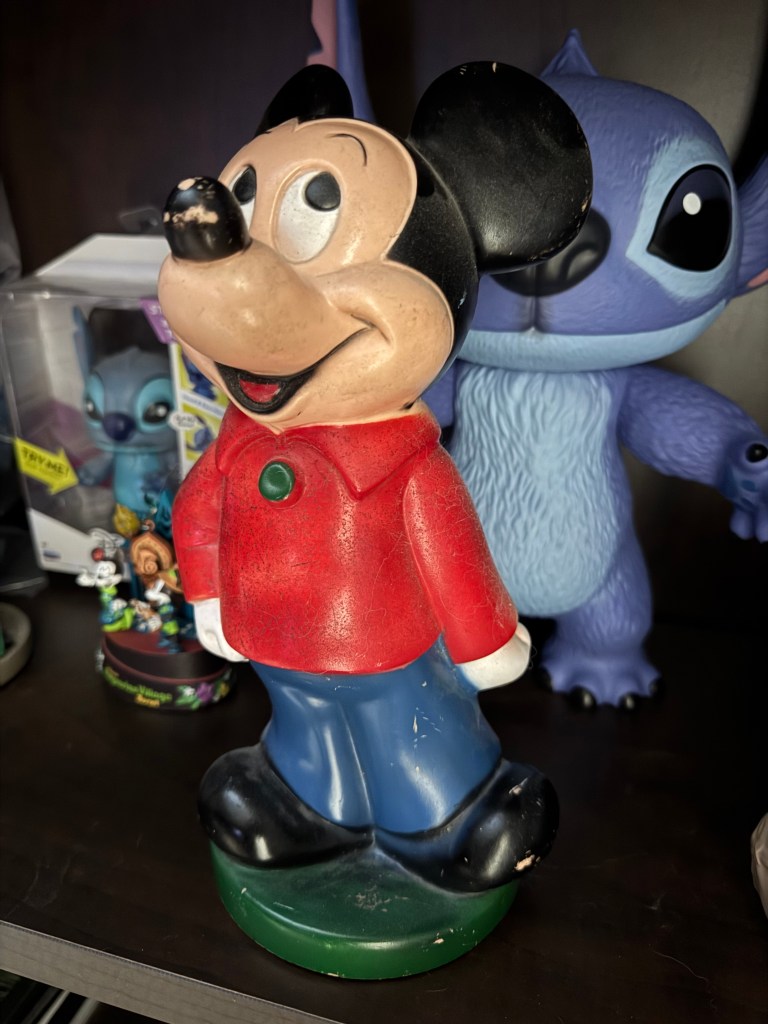
When I was very young, I had a Mickey Mouse piggy bank. I’ve always loved Mickey. But my childhood was traumatic. I grew up witnessing violence, and I experienced abuse and neglect. Things were not safe. There were a lot of tears and sadness—and not nearly enough joy.
Wonder, playfulness, and magic weren’t part of my story. I learned how to survive, not how to play. Instead of joy, I learned practicality. Early on, I had to put the fantasies and the toys away. As a result, I became practical, responsible, and hardened.
Why I Said No to Disney World
Years later, when my husband suggested we take a trip to Disney World, I rejected the idea. It felt frivolous. It was expensive. It wasn’t practical. It didn’t feel responsible—it felt like a waste of money.
Eventually, I agreed to go—not for me, but for our youngest son, who is autistic. I thought he would benefit the most from a sensory-rich, immersive experience. At the time, I didn’t think I would enjoy it, and I certainly didn’t expect what actually happened.
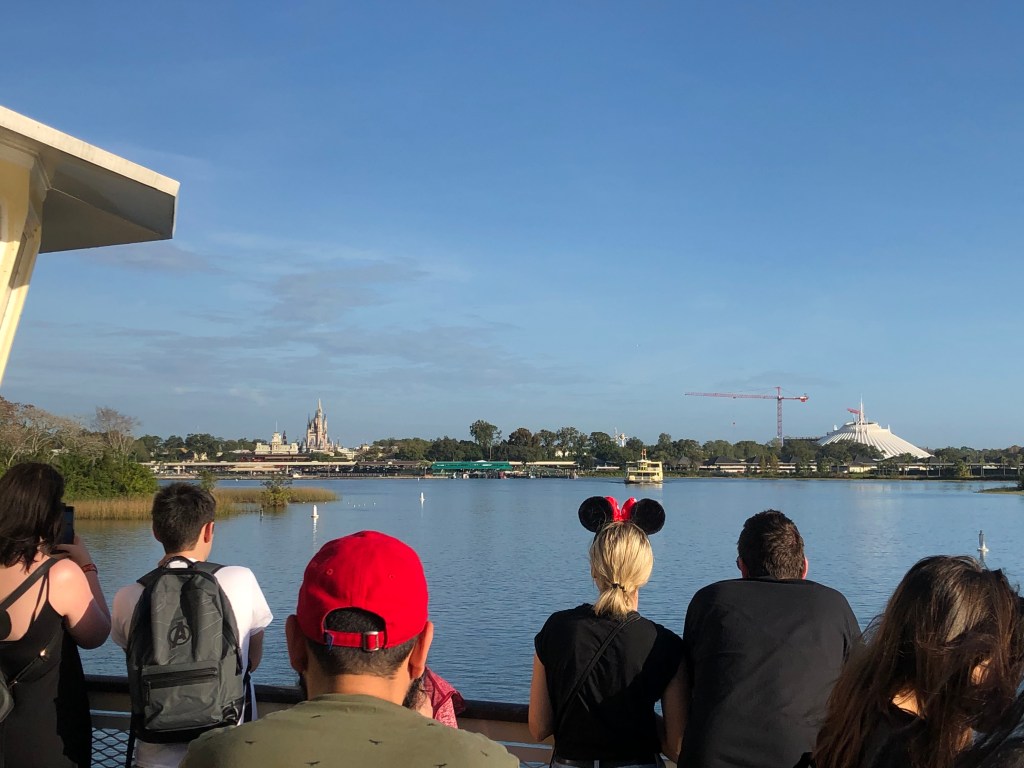
Seeing Cinderella Castle for the First Time
The first time I saw Cinderella Castle was from the ferry on our way to Magic Kingdom. The sight of it stirred something in me—but I didn’t understand it yet.
When we walked into the park, I felt overwhelmed… but in a good way. There were so many sights, sounds, and smells—it was sensory overload in the best sense. Walking down Main Street, the castle came into full view, and I felt something inside me begin to shift.
The rides were fun. The lands were fully immersive. Most of all, I felt a bubbling excitement rising in me, something I hadn’t felt in a long time—maybe ever.
A Moment of Healing at Disney World
I remember sitting in Frontierland when Chip and Dale appeared unexpectedly. My son’s face lit up, and mine did too. We laughed. We played. We hugged characters. I hugged Mickey Mouse—and I’ve never been a hugger. Later that night, as we watched the fireworks, I cried in public—something I never do.
I wasn’t just having fun.
I was healing.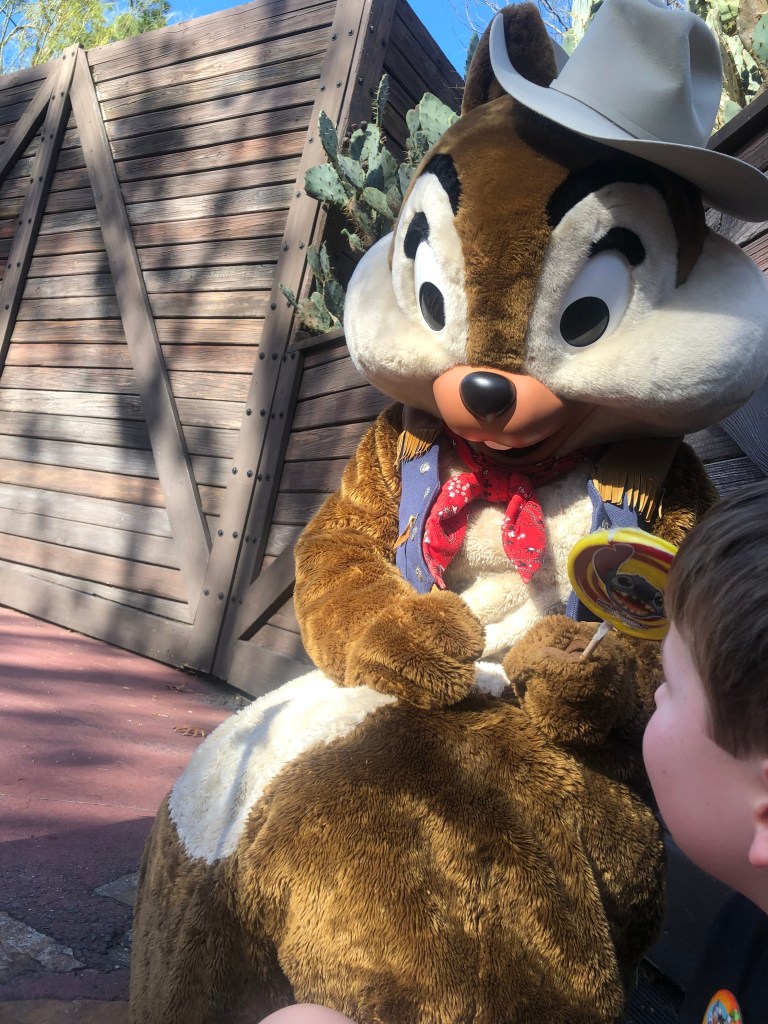
Rediscovering the Little Girl in Me
Something awakened in me on that trip—something warm and soft and full of light. The little girl I used to be, the one who had been buried under years of fear and survival… she came back. And not just for a visit—she stayed.
When I got home, I noticed that I was softer. More open. More approachable. Strangers would compliment my Mickey and Minnie Loungefly, and I’d find myself in conversations I wouldn’t have dared to start before.
I’d spent my whole life feeling like I didn’t fit in. Like I didn’t belong anywhere. For the first time, however, I felt like I did. I felt like I’d found my people.

The Walls That Kept Out Joy
Survival had taught me to build strong walls. And those walls kept me safe—but they also kept everyone else out. I didn’t realize until Disney that my hard exterior wasn’t just keeping the bad things away—it was keeping out love, joy, connection, and belonging too.
The world can be dangerous. However, it can also be beautiful, kind, and good. I had been missing out on the best parts of life because I was afraid. Because I was still carrying the pain of a little girl who felt abandoned, unseen, and unloved.
My life had been shaped by fear and hurt. There was no room for light. Eventually, though, I saw that balance was possible. Now I knew where to begin. I knew how to rewrite that story. Disney helped me take the first step.
Choosing Joy Again and Again
Since that first visit in 2020, we’ve gone back 11 more times.
And every trip is a reminder:✨ It’s never too late to rediscover joy.
✨ It’s never too late to heal.
✨ It’s never too late to believe in magic again.
A Final Thought: It’s Never Too Late
If you grew up with trauma…
If you missed out on the joy of childhood…
If you’ve spent a lifetime behind walls…You are not alone.
There is still magic left for you.Whether you carry the weight of childhood pain, military trauma, PTSD, or just years of quiet heartbreak—joy and healing can come in the most unexpected places.
For me, that place was Disney World.
It gave me my childhood back.
It gave me me back.
With a Grateful Heart
To Disney: thank you for the joy, the wonder, and the safety you gave me.
To myself: thank you for being brave enough to feel it.
To anyone still holding pain: somewhere inside all of us is a child still waiting to be seen.
Let the magic in.
-

The Queen

A Disney Story of Gratitude
Before every trip to the magical world of Disney, I make it a tradition to print out Thank You cards. These go to the incredible Cast Members who work tirelessly to create unforgettable experiences. Having worked in customer service myself, I understand just how challenging this role can be, and I know the kind of patience, resilience, and grace it requires. These dedicated individuals keep the magic alive for guests of all ages.

Each card I design is tailored for specific rides, characters, and attractions, celebrating the unique experiences they provide. However, during one of my visits to Story Book Dining with Snow White at Disney’s Wilderness Lodge, I realized that I had overlooked an important aspect: resort character dining. When it was time to meet The Queen, her vibrant personality and engaging presence transformed the moment. What could have been a missed opportunity became an evening filled with laughter and a running joke that added an extra layer of joy.

Feeling a bit guilty for not initially recognizing her efforts, I wanted to ensure she received my gratitude. Once home, I crafted a special card just for her and wrote a heartfelt letter expressing my appreciation. I mailed both off to Disney.


To my surprise and delight, The Queen did receive them! Today, I opened my mailbox to find a reply that truly warmed my heart. It reminded me that even small gestures can come full circle in the most magical ways.

This moment encapsulates what makes Disney so extraordinary—the extra effort they put into every interaction and the meaningful connections we forge within the Disney community. It’s these small acts of appreciation that remind us how important it is to recognize those who bring joy into our lives. They truly make all the difference in creating unforgettable memories at Disney.

🌟 Did You Know? – The Queen Trivia
- 👑 The Queen is one of Disney’s most iconic villains, debuting in Snow White and the Seven Dwarfs (1937).
- 📸 She is one of the most photographed characters at Story Book Dining—guests love her commanding presence.


Your one-stop-shop for all things Disney! As a Disney, Shades of Green, and military family enthusiast, I’m here to make your Disney planning a breeze. I’m a military wife, autism mom, chicken whisperer & plant parent and I bring an infectious passion to help you discover the magic. Let’s explore Disney together! 🎢✨🐓